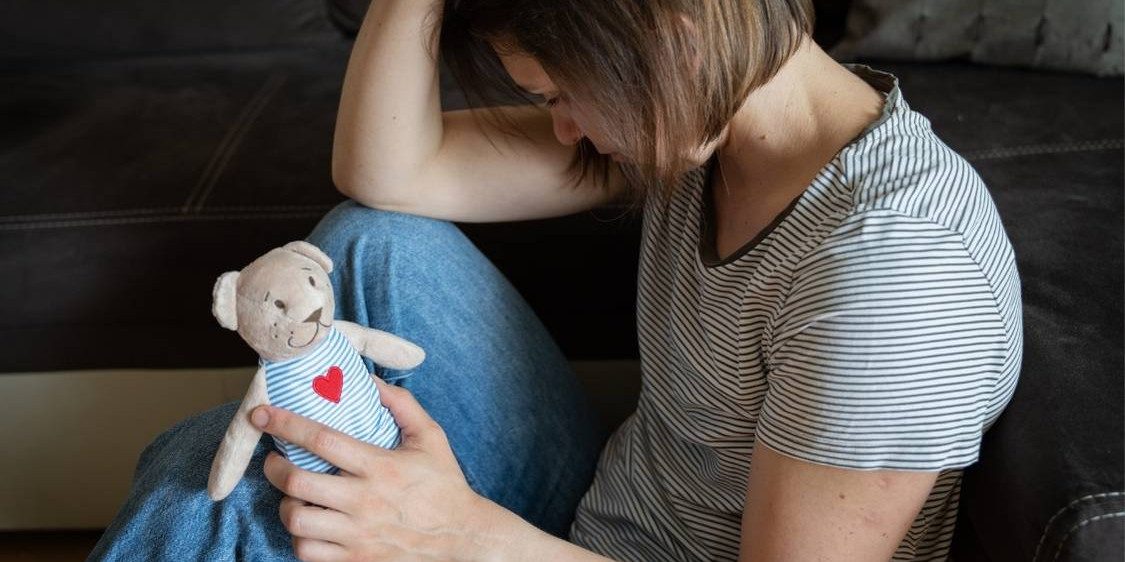

The Silent Gap: When Shared Loss Leads to Solitary Paths
In the aftermath of a profound loss, particularly the loss of a child, there is a common societal expectation that a couple will be bonded by their shared tragedy. We often imagine partners holding one another, weeping in tandem, and moving through the stages of grief like two hikers on the same trail. However, the reality observed by grief counselors and bereaved families alike is often far more complex—and significantly more isolating. Partners frequently find themselves grieving in ways that feel worlds apart, creating a secondary layer of tension during an already catastrophic time.
At Our Missing Peace, we observe a recurring pattern: the very person who should understand your pain most deeply can sometimes feel like a stranger in the midst of it. This phenomenon, known as ‘incongruent grief,’ isn’t a sign of a failing relationship or a lack of love. Rather, it is a reflection of the deeply individual nature of the human psyche. Understanding why these differences exist is the first step toward bridging the gap and finding a way back to one another.
The Myth of Synchronized Sorrow
The assumption that grief should be a synchronized experience is one of the most damaging myths for a grieving couple. In reality, grief is not a single emotion but a multifaceted physiological and psychological response. For one partner, grief may manifest as a physical exhaustion that makes getting out of bed feel impossible. For the other, it might manifest as a restless energy—a desperate need to organize, fix, or work.
When these styles clash, it is easy to misinterpret a partner’s behavior. The partner who is weeping openly may view the ‘active’ partner as cold or avoidant. Conversely, the partner who is focused on logistics or returning to a routine may view the ‘expressive’ partner as being stuck or unwilling to move forward. This observational divide creates a ‘worlds apart’ sensation, even when both individuals are mourning the same soul.
Instrumental vs. Intuitive Grieving Styles
Sociologists and psychologists often categorize grieving styles into two broad archetypes: intuitive and instrumental. While most people fall somewhere on a spectrum between the two, many couples find themselves anchored at opposite ends.
The Intuitive Griever
Intuitive grievers experience their loss primarily through intense feelings. They find relief in the outward expression of emotion—crying, talking about the loss, and seeking emotional support from others. For the intuitive griever, the process of healing is intrinsically linked to the process of feeling.
The Instrumental Griever
Instrumental grievers, on the other hand, tend to experience grief more cognitively or physically. They may focus on tasks, such as setting up a memorial fund, renovating a room, or throwing themselves into their career. They might talk about the ‘facts’ of the loss rather than their feelings about it. For the instrumental griever, ‘doing’ is a form of ‘feeling.’
When these two styles live under the same roof, the friction is almost inevitable. The editorial observation here is that neither style is superior; they are simply different survival mechanisms. The challenge arises when one partner expects the other to mirror their specific brand of mourning.
The Weight of Gender Socialization and Temperament
While grieving styles are not strictly gendered, societal conditioning plays a significant role in how we allow ourselves to mourn. Historically, many cultures have encouraged men to be the ‘rock’—the stoic provider who remains steady in the face of storm. Women, conversely, are often given more social permission to express vulnerability. Even in a modern context, these deep-seated expectations can influence a partner’s willingness to be seen in a state of ‘weakness.’
Beyond socialization, individual temperament and past trauma also dictate the landscape of grief. A person who has always dealt with stress by retreating into solitude will likely do the same when facing loss. A person who seeks connection during stress will feel abandoned by that retreat. It is a collision of coping mechanisms that requires immense grace to navigate.
How to Bridge the Emotional Distance
If you find that you and your partner are grieving in ways that feel incompatible, it is essential to move toward a stance of ‘curiosity rather than judgment.’ Recognizing that your partner’s lack of visible tears does not equate to a lack of pain can change the entire dynamic of the household.
To foster connection during this difficult time, consider the following approaches:
- Validate the Difference: Acknowledge out loud that you are both hurting, even if your expressions of that hurt look different.
- Schedule ‘Check-ins’: When emotions are raw, spontaneous deep conversations can feel overwhelming. Setting a specific time to talk can help the instrumental griever feel prepared and the intuitive griever feel heard.
- Honor Individual Timelines: Grief does not have an expiration date, and it rarely moves in a straight line. One partner may have a ‘good day’ while the other is in the depths of a ‘grief wave.’ Allow for these shifts without guilt.
- Find Shared Rituals: Even if you grieve differently in private, finding one shared ritual—planting a tree, lighting a candle, or visiting a specific place—can provide a common ground for your remembrance.
- Seek External Support: Sometimes the weight of supporting a partner is too much to bear while also carrying your own grief. Community groups and professional therapy can provide the outlet you need so that your relationship doesn’t have to be the sole source of healing.
Connection in the Midst of Chaos
At Our Missing Peace, we believe that the goal of a grieving couple is not to grieve the same way, but to learn how to stand in the same room while grieving differently. The ‘missing peace’ in many relationships after loss is the realization that your partner cannot be your only mirror. Their journey is their own, shaped by their history, their biology, and their unique bond with the one who was lost.
By analyzing these patterns and recognizing the validity of various grieving styles, couples can move from a place of resentment to a place of shared resilience. You may feel like you are grieving in different worlds, but you are still under the same sky, looking for the same stars. Understanding the ‘why’ behind the distance is the first step toward walking the path together, even if your footsteps fall at a different pace.