
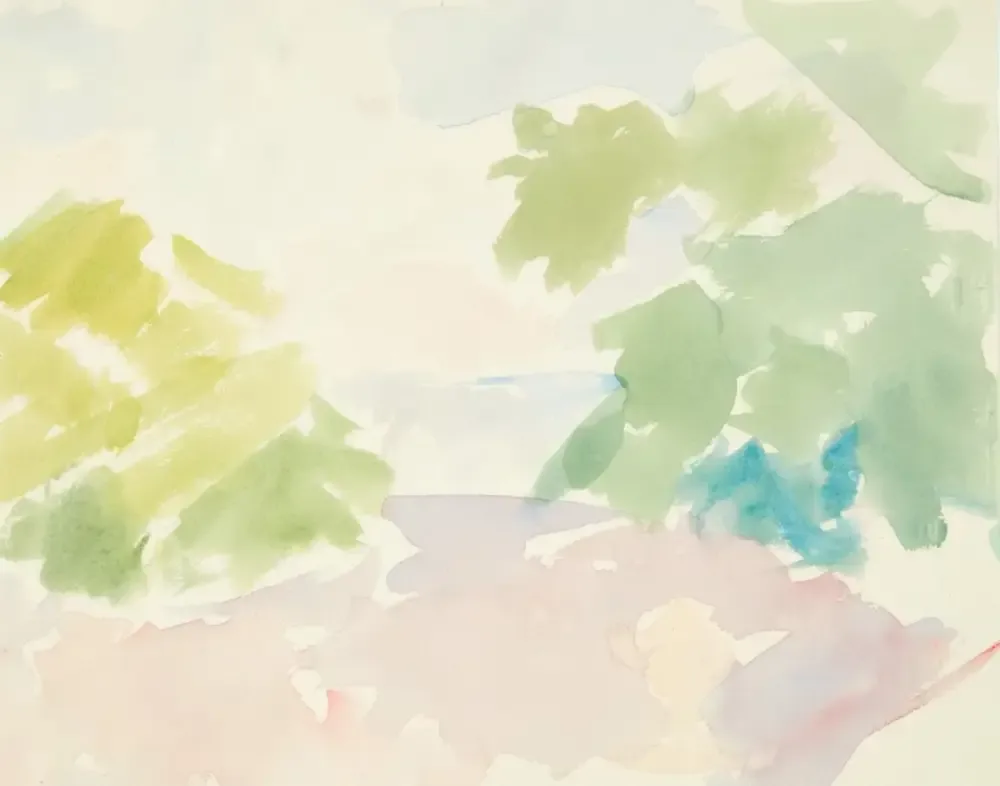
The Inadequacy of Language in the Face of Grief
In the quiet aftermath of profound loss, there is often a heavy, immutable silence. For many navigating the landscape of bereavement, the English language—rich as it may be—feels suddenly bankrupt. How does one categorize the void left by a child, a partner, or a lifelong friend using only the standard vocabulary of sorrow? At Our Missing Peace, we frequently observe that the most profound aspects of grief are those that exist beneath the surface of speech. This is where art therapy steps in, not merely as a hobby, but as a vital conduit for the unspeakable.
Journalistic observation of global healing trends suggests a shift away from purely clinical talk therapy toward more integrated, expressive modalities. When a person experiences trauma or significant loss, the brain’s frontal lobe—the center for logic and language—often becomes compromised. Meanwhile, the amygdala and other emotional centers remain hyper-active. This neurological disconnect explains why a grieving person might find it impossible to 'explain' how they feel, yet find themselves drawn to colors, textures, and shapes that mirror their internal state.
The Somatic Connection: How Art Accesses the Unconscious
Art therapy operates on the principle that the body remembers what the mind tries to forget or cannot articulate. It is a somatic experience, engaging the senses to bypass the cognitive barriers we often erect during traditional counseling. When a bereaved parent picks up a paintbrush or molds a piece of clay, they are not just making art; they are externalizing a complex internal reality. This externalization is a critical step in the healing process, moving the grief from an overwhelming internal weight to a tangible object that can be observed and processed from a distance.
Bypassing the Logic Center
By engaging in creative expression, individuals can access the 'feeling' brain directly. Research into the efficacy of expressive arts suggests that the act of creation lowers cortisol levels and triggers the release of dopamine. More importantly, it provides a safe container for emotions that feel too dangerous to speak aloud. Anger, guilt, and existential confusion can be messy and chaotic on a canvas in a way they cannot be in a polite conversation.
Diverse Mediums for Processing Loss
The beauty of art therapy lies in its versatility. There is no 'correct' way to create, and the focus remains entirely on the process rather than the final product. Different mediums offer different therapeutic benefits for those seeking their missing peace:
- Painting and Drawing: Allows for the exploration of color theory to represent moods—dark, sweeping strokes for anger or soft, muted tones for the exhaustion of depression.
- Sculpting and Clay Work: Provides a tactile, grounding experience. The physical act of kneading and shaping can be a powerful metaphor for rebuilding a life that has been shattered.
- Collage and Mixed Media: Helpful for those who feel 'stuck.' Using existing images to create a new narrative can help reframe one's personal story after it has been interrupted by loss.
- Photography: Encourages a shift in perspective, asking the individual to look for beauty, light, or meaning in their immediate environment through a lens.
- Journaling and Blackout Poetry: A bridge between art and language, where the visual arrangement of words becomes as important as the words themselves.
A Global Shift Toward Expressive Healing Communities
We are witnessing a global movement where bereaved families are seeking connection through shared creative rituals. As explored in our recent discussions on shared rituals of remembrance, the act of creating together fosters a unique form of communal empathy. In many cultures, the 'wordless' nature of grief is honored through weaving, song, or communal murals. These practices suggest that healing is not an individual marathon but a collective tapestry.
Art therapy provides a universal language. A bereaved mother in London and a grieving father in Tokyo can look at a piece of abstract art representing 'longing' and understand it perfectly without a single translated word. This global resonance is at the heart of the Our Missing Peace mission—uniting families through the shared, often silent, language of compassion.
The Long-Term Impact of Creative Remembrance
Is art therapy a 'cure' for grief? The editorial consensus among mental health professionals is that grief is not something to be cured, but something to be integrated. Art therapy facilitates this integration. By creating something new out of the raw materials of loss, the bereaved individual asserts their agency. They move from being a passive victim of circumstances to an active creator of meaning.
As we continue to analyze the patterns of healing within our global community, one thing remains clear: when we allow ourselves to move beyond the limitations of speech, we open doors to deeper levels of remembrance and connection. Whether it is a simple sketch in a private notebook or a large-scale community project, these creative acts are the milestones on the long road to peace. They serve as evidence that even when our hearts are broken, our capacity to create remains a powerful force for restoration.
Final Thoughts on Finding Peace Through Art
For those standing at the edge of a loss that feels too large for words, art therapy offers a bridge. It invites us to stop struggling with the inadequacy of 'I’m fine' or 'I don’t know' and instead pick up a tool that can speak for us. In the lines, colors, and textures of our creation, we may just find the missing pieces of ourselves that grief temporarily hid away.